Sleep Science & Materials
Naturepedic and Organic Crib Sleep Surfaces: Materials, Fit, and Safety
Choosing a crib mattress can feel like a high-stakes puzzle: parents want thoughtfully sourced materials, a comfortable surface, straightforward care, and—above all—a safe place for a baby to sleep. Organic options, including mattresses from Naturepedic, invite questions about what is inside and how a particular design fits into a crib. The clearest way to evaluate them is to start with the basics: fit, firmness, construction, and current safe-sleep guidance.
Published October 23, 2026
Start with the sleep space, not the label
Words such as organic, natural, and breathable can sound reassuring, but no single label tells the whole story of a crib sleep surface. A useful decision begins with the crib itself. The mattress must be designed for that type of crib, fit the manufacturer’s requirements, and create a firm, flat surface without gaps at the edges. It should also meet applicable safety standards and be used according to its instructions.
That order matters. A mattress made with appealing materials is not a safe choice if it is too small, too soft, damaged, or incompatible with the crib. Nor does an organic designation replace safe-sleep practices. Babies should be placed on their backs on a firm, flat, bare sleep surface, without pillows, quilts, loose blankets, toys, positioners, or other soft items. For current recommendations, families can consult the American Academy of Pediatrics and the U.S. Consumer Product Safety Commission (CPSC), as well as the crib and mattress manufacturers.
Naturepedic provides a brand-specific lens for exploring organic crib mattresses, but the brand name alone does not determine whether a particular model is right for a particular crib or family. Designs and specifications can differ by model and over time. Check the product’s current documentation rather than assuming that every mattress in a brand’s range has identical materials, dimensions, construction, or care requirements.
What “organic” can—and cannot—tell you
Organic generally refers to how certain agricultural materials are grown and processed under a specified standard. In a mattress, that may relate to a material such as cotton, but a finished product can contain multiple layers and components: fabric, filling, support core, barriers, thread, and fasteners. The word on a product page does not automatically mean that every component is organic, that a mattress is free of all synthetic materials, or that it has a particular health benefit.
For a more grounded comparison, look for specific information about the full construction. Which materials are used in the cover and core? Are there layers or coatings? What does the manufacturer say about certifications, and which exact components do those certifications cover? Is there a current certificate or standard that can be checked? Clear answers help distinguish a verifiable material claim from a broad marketing description.
Certification names are not interchangeable. Some programs address the content or processing of particular fibers; others assess emissions, chemical restrictions, or factory practices. A certification may apply to a fabric or component rather than to every part of the finished mattress. Read the scope and current documentation, and contact the manufacturer if the information is unclear. Certification can be useful evidence, but it is not a substitute for checking fit, firmness, condition, and safe use.
It is also worth separating environmental preferences from safety requirements. A family may reasonably prioritize organic fibers, low-emission materials, or a particular supply-chain standard. Those priorities can guide a purchase, but they do not alter the central rules for an infant’s sleep surface. Organic does not mean soft is suitable, and natural does not mean that extra bedding is needed or safe.
Materials and construction: the practical differences
Crib mattresses are assembled in different ways, and the choice of materials can influence firmness, weight, flexibility, temperature feel, and cleaning routines. The details depend on the finished design—not simply on the name of a fiber or filling. When reading a description of a Naturepedic mattress or another organic crib mattress, consider how each component contributes to the whole sleep surface.
Cotton and other plant-based fibers
Cotton may appear in a cover, batting, or another layer. Its feel and performance depend on how it is woven, layered, treated, and combined with other materials. A fabric cover can feel different from a padded interior, and the presence of cotton alone does not establish the firmness of the mattress. Ask whether the fiber is used in the cover, the core, or both, and whether the manufacturer identifies it as organic or certified under a named standard.
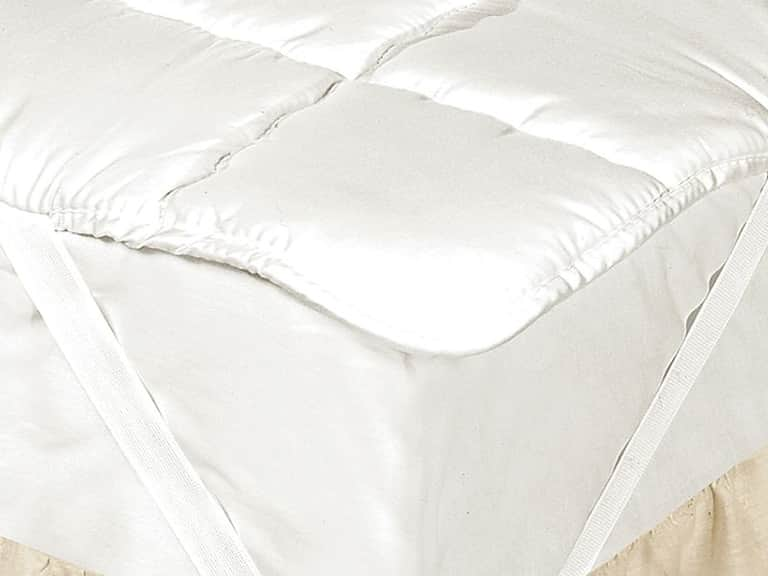
Fiber-filled layers may be designed to provide structure or cushioning, but a crib mattress must still maintain the firm, flat surface required for infant sleep. Do not add a plush topper or pad to change the feel. Even a well-intentioned layer can affect the sleep surface and create an unsafe setup if it is not specifically permitted by the manufacturer and consistent with safety guidance.
Foam and other supportive cores
Some crib mattresses use foam cores, while others use different support systems or combinations of materials. Foam type, density, thickness, and construction can affect the overall feel and weight. It is not possible to infer performance or safety from a generic term such as “foam” alone. Review the exact model’s specifications, the manufacturer’s firmness guidance, and any relevant safety documentation.
Do not judge firmness by pressing only on the center or by comparing a crib mattress with an adult bed. Follow the product instructions and applicable consumer safety guidance. A surface that feels comfortable to an adult is not necessarily appropriate for an infant, and a softer feel should not be treated as a benefit in a crib mattress.
Water-resistant layers and mattress covers
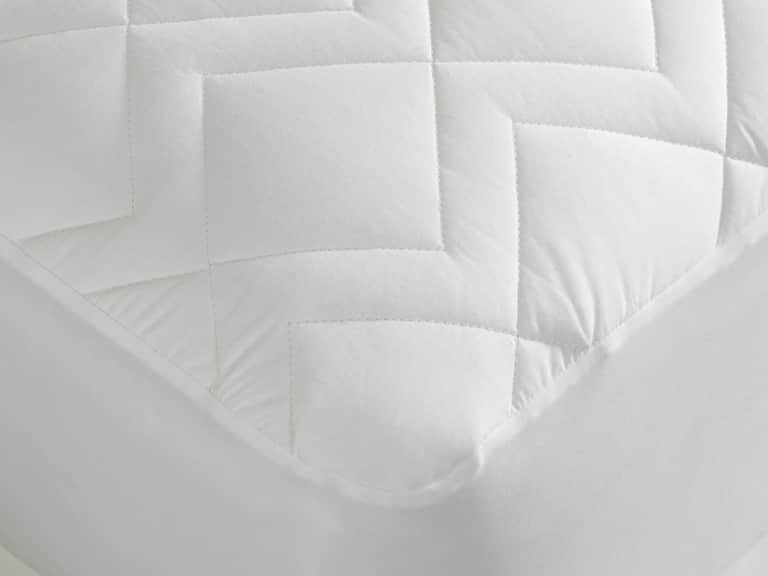
Many crib mattresses are designed to manage everyday messes with an integrated water-resistant surface or barrier. Others may call for a specific fitted protector. The distinction matters: a built-in layer is part of the mattress’s construction, while an added product is a separate component that must fit correctly and be approved for use with that model.
Before adding a protector, check the mattress instructions and the protector’s fit. It should not bunch, come loose, or create an uneven surface. Avoid products described as plush, padded, quilted, or sleep-positioning accessories unless their use is expressly appropriate under current safety guidance and the manufacturer’s directions. A fitted sheet should be the only bedding on the sleep surface unless the mattress maker specifies a compatible, safe component.
Breathability and temperature claims
Breathability is often highlighted in mattress descriptions, but the term can mean different things. It may refer to a fabric’s airflow, moisture handling, or the construction of a particular layer. It does not mean that a baby can safely sleep face-down, that a breathable mattress prevents suffocation, or that safe-sleep practices can be relaxed. Claims about airflow should be read as product details, not as a guarantee against sleep-related harm.
For comfort, consider the room temperature, clothing, and the baby’s overall sleep environment rather than relying on a mattress claim alone. Avoid overheating, and follow pediatric guidance on appropriate sleep clothing. If a baby has a medical condition or specific temperature needs, ask a healthcare professional for individualized advice.
Crib fit: the detail that deserves a careful check
A snug fit is essential. A mattress that leaves an opening around its perimeter can create a hazardous gap. Because cribs and mattresses are manufactured to defined dimensions, do not assume that a mattress will fit simply because both are described as “standard size.” Confirm compatibility with the crib manufacturer and compare the mattress’s stated dimensions with the crib’s instructions.
When setting up the sleep space, place the mattress inside the crib as directed and inspect the edges. It should lie flat and fit securely, without a noticeable gap or lifted corner. Do not cut, compress, fold, or otherwise alter a mattress to make it fit. If the size is uncertain, the mattress shifts, or a gap is visible, stop using that setup and contact the manufacturers for guidance.
Fit can change with an adjustable crib base. After lowering or raising the mattress support, check that the mattress remains correctly positioned and that the crib’s assembly instructions have been followed. As a baby grows and becomes more mobile, follow the crib maker’s directions for mattress height and stop-use milestones. A crib mattress should not be modified with homemade spacers, extra foam, rolled towels, or other objects.
For a secondhand crib or mattress, take extra care. Check the crib model, age, condition, hardware, and current safety status; look for recalls through official sources. A used mattress may have hidden damage, contamination, or an uncertain history, and a worn surface may no longer fit securely. If you cannot verify its condition and compatibility, consider a new mattress that meets the crib’s requirements.
Firmness, flatness, and the bare-surface rule
For infant sleep, the surface should be firm and flat, with a tightly fitted sheet and no loose bedding. These words are practical instructions, not decorative product language. A mattress should not sag, tilt, or have soft areas, and the crib should be free of objects that could cover a baby’s face or interfere with breathing.
Keep pillows, comforters, duvets, loose blankets, stuffed toys, bumpers, and sleep positioners out of the crib. Do not use an inclined product or place an infant to sleep on a couch, armchair, adult bed, or other surface not designed for infant sleep. The safest routine is a clear, uncluttered sleep space. If you are unsure whether an accessory is appropriate, leave it out and check current guidance from a trusted safety authority.
Parents may encounter products marketed as “breathable,” “anti-suffocation,” or especially protective. Such wording should not be taken as permission to ignore safe-sleep recommendations. No special material or mattress feature eliminates the need for a firm, flat, bare sleep surface and appropriate supervision and care.
Care, cleaning, and everyday durability
Care instructions are part of the product’s design. Some mattresses have a removable cover; others are meant to be spot-cleaned or wiped down. A waterproof or water-resistant surface may be cleaned differently from a textile cover. Before washing or disinfecting any component, read the current label and manufacturer instructions. Avoid soaking a mattress, using unapproved cleaning chemicals, or putting a component in a dryer if the instructions prohibit it.
Cleaning methods can affect a mattress’s materials and construction. Removing a cover that is not intended to come off may damage the product or make it difficult to reassemble correctly. Likewise, adding a separate encasement or protector without checking compatibility may change how the mattress fits in the crib. Keep care instructions where caregivers can find them, especially if more than one adult handles cleaning.
Inspect the mattress regularly for tears, loose seams, sagging, exposed filling, damaged waterproof layers, or persistent odors. A damaged sleep surface should not be patched with household materials or covered with an extra layer as a workaround. Contact the manufacturer to ask whether the product can be safely repaired or should be replaced. Check the model and manufacturer information for recall notices, and keep purchase and product records when possible.
Some mattress makers describe one model as usable through more than one stage of a child’s development, sometimes with different surface feels or configurations. If a product has distinct sides or settings, use only the configuration intended for the child’s age and follow the instructions exactly. Never flip, rotate, or alter a mattress in a way the manufacturer does not permit.
A sensible way to compare Naturepedic models
Rather than choosing by a single headline claim, compare specific models using the same questions. Naturepedic’s current product pages and instructions are the place to verify model-level details; product lines may change, so older descriptions or general brand summaries may not match what is currently sold.
- Compatibility: Is the mattress intended for the exact crib type and size? What dimensions and fit instructions does the crib manufacturer specify?
- Firmness and structure: What does the manufacturer say about the surface and support core? Does the mattress meet the applicable requirements for a crib mattress?
- Materials: Which materials are used in the cover, layers, and core? Are organic claims specific, documented, and clear about which components they cover?
- Certifications: Which standards or certifications apply to this model, and what exactly do they evaluate? Can the claims be verified through the issuing organization?
- Water protection: Is protection built in, or does the manufacturer recommend a compatible fitted protector? Is an added layer necessary at all?
- Care: How should spills be cleaned? Is the cover removable, and what cleaning methods are permitted?
- Use over time: Are there age, weight, orientation, or configuration instructions? What condition or damage means the mattress should be replaced?
- Support: Can the company provide written answers about fit, materials, care, and current safety documentation?
This approach keeps the evaluation practical and transparent. A model with extensive material information may appeal to one household, while another family may prioritize easier cleaning or lower weight. The right choice is the one that satisfies the crib’s requirements, follows current safety guidance, and fits the family’s informed preferences.
Common questions about organic crib sleep surfaces
Does an organic crib mattress automatically make sleep safer?
No. Organic materials may matter to a family’s preferences, but an organic label does not replace a correctly fitted, firm, flat mattress or safe-sleep practices. Check the specific model’s construction and documentation, and keep the crib clear of loose or soft items.
Is a breathable mattress safe if a baby rolls over?
Do not rely on a breathability claim as a safety measure or as a reason to change recommended sleep practices. Follow current guidance for placing an infant down to sleep and consult a pediatric clinician if you have questions about your baby’s development or medical needs.
Can I use a mattress pad or topper to make the surface softer?
Do not add a soft topper to an infant’s crib mattress. Additional padding can alter the sleep surface and may create hazards. Use only components that are appropriate for the crib and expressly permitted by the mattress and crib manufacturers, while following current safe-sleep guidance.
How can I tell whether the mattress fits properly?
Use the crib manufacturer’s fit requirements and the mattress instructions. The mattress should sit flat and securely, with no concerning gaps at the edges or corners. Do not rely on a quick visual guess or modify the product; contact the manufacturers if the fit is unclear.
Should I choose a mattress based on temperature claims?
Temperature comfort can be a useful consideration, but claims about cooling, airflow, or moisture management do not establish that a mattress prevents overheating or makes a sleep setup safer. Consider the whole sleep environment and follow pediatric advice on room conditions and clothing.
The calmest checklist is the clearest one
Comparing organic crib mattresses does not need to become a contest of grand claims. Start with a crib-compatible fit, a firm and flat surface, and current safety information. Then review the materials, certifications, care directions, and features that matter to your household. For a Naturepedic model, verify those details for the exact mattress under consideration rather than assuming they apply across the entire brand.
Once the mattress is in place, keep the sleep surface simple: baby on their back, a tightly fitted sheet, and no loose bedding or accessories. Inspect the setup as the crib is adjusted, follow the manufacturers’ instructions, and consult authoritative safety resources when guidance changes or a question arises. That steady, evidence-informed approach makes room for thoughtful material choices without losing sight of what matters most: a properly fitted, safe sleep space for the baby.