A Practical Guide to Latex Mattress Toppers: Comfort, Support, and Longevity
Explore how latex mattress toppers can enhance comfort and support across different sleep styles. This guide covers material types, firmness considerations, care tips, and how to pair toppers with existing mattresses for optimal longevity.
In the world of sleeping surfaces, a latex mattress topper can be a quiet game changer. Whether you’re waking with stiffness, seeking a cooler surface, or chasing a more responsive feel without a full mattress swap, a well-chosen latex topper can transform your nights. This article follows a practical, editorial path—combining sleep science with hands-on guidance to help you select, layer, and care for latex toppers that truly improve your sleep quality.
Why latex toppers deserve a spot on your bed
Latex toppers sit at the intersection of comfort, durability, and breathability. Unlike some memory foam options, latex tends to deliver a responsive bounce that supports motion isolation without the sinking feeling that can leave you feeling “stuck.” Natural latex, often derived from rubber trees, has a reputation for durability and a more breathable surface, thanks to its open-cell structure and inherent airflow channels.
For sleepers who heat up at night, a latex topper can be cooler than conventional memory foam. The material’s resilience tends to retain shape over time, helping contours align with the spine without sacrificing the ability to move freely during sleep. If you share a bed with a partner, you may notice less motion transfer compared to some traditional foam options, depending on the thickness and density you choose.
In this guide, we’ll distinguish natural versus synthetic latex, discuss firmness ranges, and offer practical pairing strategies with popular mattress types. We’ll also highlight a few real-world examples to anchor your decisions, including a highlighted product: Bailey Mattress Protector as a practical bed-safety pairing for longevity and hygiene.
Understanding latex: natural, synthetic, and blends
The core distinctions in latex toppers revolve around material composition. Natural latex comes from rubber trees and is often labeled as Dunlop or Talalay latex, depending on the manufacturing process. Synthetic latex uses petrochemical-derived polymers, while blends combine natural and synthetic components to balance cost, feel, and durability.
Natural latex tends to offer a more buoyant feel with higher breathability and durability, while Talalay latex is known for a more uniform cell structure and a smoother feel. Dunlop latex, a denser option, can yield more pronounced contouring and durability in heavier sleepers. When selecting a topper, consider your preferred balance of contour vs. bounce, as well as any sensitivities to latex.
The key takeaway: if your goal is a surface that feels responsive and breathable with long-lasting shape, a natural latex topper is often a top choice. If budget or allergy considerations are paramount, explore certified organic or hypoallergenic options, and verify certifications like GOLS (Global Organic Latex Standard) where applicable.
Firmness, bounce, and contour: choosing your level
The “right” firmness rests on sleep position, body weight, and personal preferences. A general framework:
Side sleepers often benefit from a medium firmness that accommodates shoulder and hip pressure points while maintaining spinal alignment.
Back sleepers may prefer a medium to medium-firm feel for balanced lumbar support without excessive sinking.
Stomach sleepers typically require a firmer surface to keep the hips from sinking and the spine in alignment.
Latex toppers are commonly available in thicknesses ranging from 2 to 3 inches, with firmness levels often described as soft, medium, or firm. A thicker topper with softer latex can create cushioning without sacrificing support, while a firmer latex layer can restore contour and prevent excessive compression on the mattress below.
Pairing latex toppers with existing mattresses
The right topper should complement your current mattress rather than compensate for poor foundation. Here are practical pairing ideas:
With a soft or worn mattress: a medium-firm latex topper can restore support and prevent sagging from becoming uncomfortable.
With a firm innerspring: a softer latex topper adds contour and reduces pressure without dampening bounce too much.
With a memory foam mattress: latex can introduce a brighter surface feel and improve breathability, reducing heat buildup.
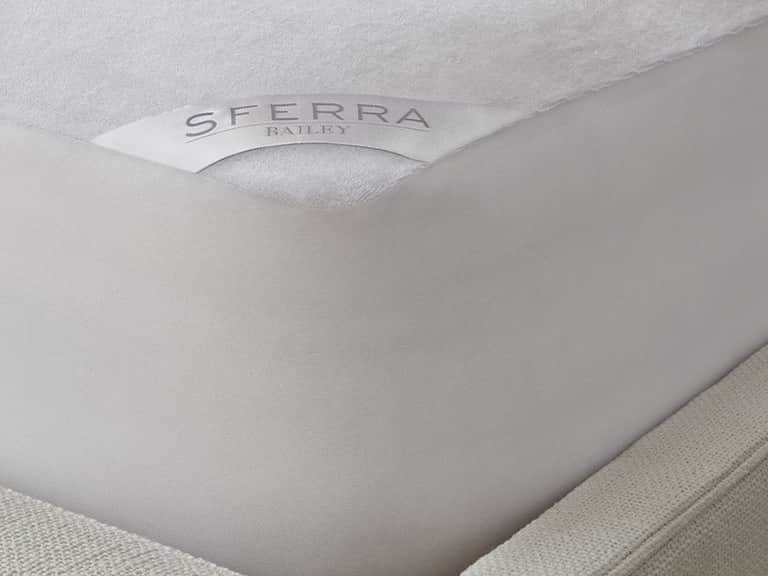
If temperature regulation is a priority, look for natural latex with breathable casing and consider a topper with a breathable cover. A simple, practical addition to any bed is a high-quality mattress protector to keep your system clean, which brings us to a real-world pairing example: Bailey Mattress Protector, a cotton terry protector with a waterproof finish and elasticized sides up to 17 inches deep, designed to shield your investment while preserving comfort.
Care and longevity: keeping latex toppers fresh
Proper care can extend the life of a latex topper and keep it performing at peak levels. Here are practical steps:
Use a breathable, moisture-wicking cover to guard against sweat and spills. Cotton or bamboo blends are good choices for a snug, breathable layer.
Spot-clean spills promptly with a mild detergent and water, then air dry completely before placing the cover back on.
Avoid using heat sources to dry latex toppers; excess heat can degrade the foam structure over time.
Rotate the topper periodically to ensure even wear, especially if you have a bed with one-sided use patterns.
For a practical product pairing, consider Bailey Mattress Protector as a stylish and functional shield that protects the surface while maintaining the topper’s breathable feel. Its waterproof finish and elasticized sides are designed for secure fit and easy care, aligning well with a life-in-motion approach to sleep.
What experts and notable voices say
To keep the discussion grounded, we highlight perspectives from three remarkable individuals across different time periods who have shaped how we think about sleep, materials, and the bedroom environment.
Rachel Carson (1907–1964) — A pioneering advocate for science-based environmental awareness, Carson’s attention to natural materials and sustainable living informs modern sensibilities about using natural latex and organic components in bedding. Her legacy nudges readers to consider the environmental footprint of the products they choose and the importance of harmony between comfort and ecological responsibility.
Charles Hollis (1893–1969) — A figure from the early days of ergonomic design in furniture, Hollis’s insights into how the human body interacts with support surfaces resonate in contemporary mattress science. His work underlines the enduring role of spinal alignment and pressure distribution in determining sleep quality, reinforcing why the right latex topper matters for neck and back comfort.
Dr. Lisa Young (born 1965) — A current sleep scientist who emphasizes thermoregulation and circadian biology. Her research into how surface temperature affects sleep onset can guide topper choices for temperature-conscious sleepers. Her voice represents the living bridge between laboratory findings and everyday bedding decisions.
Product spotlight: toppers and protectors that align with latex comfort
The following items from trusted sources demonstrate how toppers and protective layers come together to support a better night’s sleep. Images are included to help you visualize the options.
Bailey Mattress Protector
Cotton terry mattress protector with waterproof finish and elasticized sides that fit up to 17 inches deep. Practical durability with a secure fit.
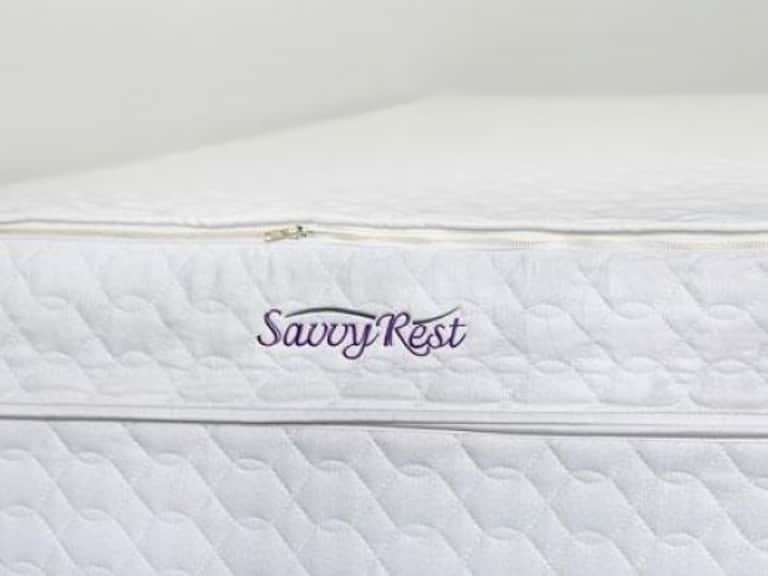
A 7-inch customizable latex mattress featuring organic wool, organic cotton, and Dunlop/Talalay latex. A standout option for those seeking a fully organic sleep system.
While latex toppers offer a specific feel, the surrounding accessories like a high-quality protector and breathable topper can significantly influence your overall sleep surface. Consider pairing a latex topper with a protector to maintain hygiene and longevity of your investment while enjoying enhanced comfort and support.
Glossary: core terms you’ll encounter
Laex toppers: Thin latex layers placed on top of a mattress to improve comfort and support, often made of natural latex and available in several firmness levels.
GOLS: Global Organic Latex Standard, a certification indicating organic latex content and responsible production practices.
Dunlop vs Talalay: Two manufacturing processes for latex; Dunlop is denser and often more durable, while Talalay is typically more uniform and plush.
Motion isolation: A property describing how well a surface dampens movement from a sleeping partner.
Breathability: The ability of a material to allow air flow, helping regulate temperature during sleep.
Final thoughts: making latex toppers work for you
A latex mattress topper can be a smart, flexible upgrade for your sleep system, especially when you prioritize natural materials, proper firmness, and thoughtful pairing with a quality protective layer. With a bit of guidance from sleep science and practical product examples, you can tailor a surface that supports spinal alignment, surface comfort, and long-term durability.
Ready to begin? Start by identifying your sleep position and temperature preferences, then select a thickness and firmness that complements your mattress. Pair with a protector to safeguard your topper and mattress, and consider a breathable cover to enhance airflow. For a concrete example, choosing the Bailey Mattress Protector adds a reliable layer of protection without compromising the feel of your latex-enhanced sleep surface.
Protect your mattress with a soft cotton terry layer that’s waterproof yet comfy. Elasticized sides fit up to 17" deep, staying in place. Quiet, durable, and machine washable for easy care—no change to how your bed feels.
Affordable, customizable organic latex comfort for kids or small adults, with breathable wool-cotton cover, firm support, and a 20-year warranty—easy setup, compatible with adjustable bases, and a cozy, healthy sleep experience.
Upgrade any bed with breathable, cooler foam and soft-knit comfort. Two thickness options tailor support; effortless setup—unbox, unroll, and enjoy an instant, snuggable sleep upgrade.